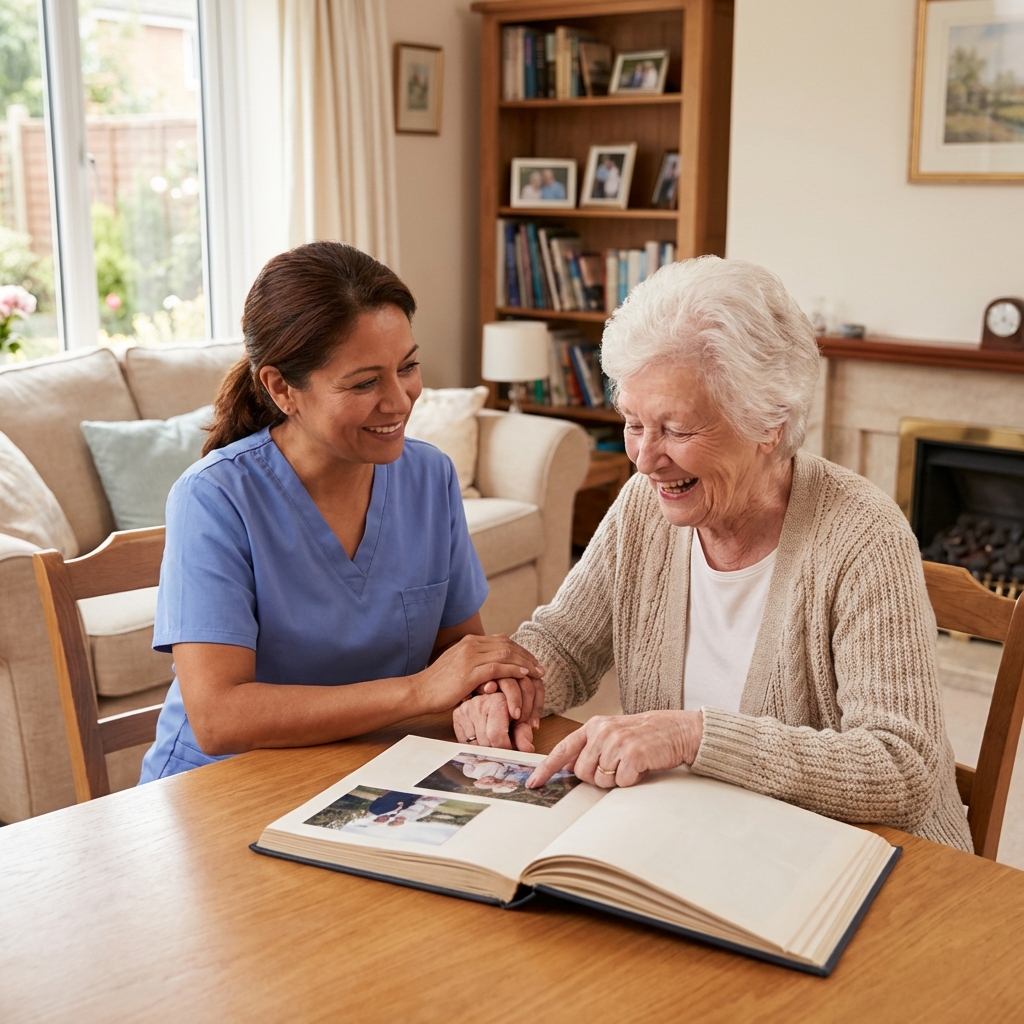
The first three days after a loved one comes home from the hospital may be the most important 72 hours of the entire recovery.
Why the First 72 Hours Are So Risky
You got the call. Your parent is being discharged — today, maybe tomorrow. The nurse is handing you a folder of papers, someone is mentioning follow-up appointments, and in the back of your mind one question is louder than everything else: am I going to be able to keep them safe at home? That fear is completely reasonable. Clinically, the first 72 hours after a hospital discharge are among the most vulnerable of the entire recovery — and most families are left to navigate them alone.
Coming home is supposed to feel like the end of a health crisis—but clinically, it’s often the beginning of a new, risky phase.
Nationally, around 14–20% of adults are readmitted to the hospital within 30 days of discharge, and older adults with chronic conditions are at the highest risk. One study looking at older adults with home-care services found that 53% of unplanned ER visits within 72 hours of discharge led to readmission—about two-thirds of which were considered potentially avoidable.
Why?
- New or adjusted medications
- Weakness, dizziness, and fall risk
- Confusing discharge instructions
- Fatigue in both the patient and family
- Gaps in meals, hydration, and basic routines
That’s why EverHaven built a structured 72 Hour Post-Op Quickstart & 30-Day Hospital-to-Home Pathway: to make those first days calm, predictable, and safe.
Before Discharge: A “Home-Ready” Checklist
Ask the discharge nurse or case manager to walk through these items before you leave the hospital.
| Category | What to Confirm Before Leaving |
|---|---|
| Medication list | Get an updated list of all medications, including doses and times. Ask which meds are new, which changed, and which were stopped. |
| Follow-up appointments | Confirm who you’ll see next (PCP, specialist, surgeon) and when. Ask if follow-up should be within 7–14 days; earlier is usually better. |
| Activity & safety | Ask about weight-bearing limits, stair use, bathing, and driving. Ask what kind of help your loved one needs at home. |
| Wounds & equipment | Get clear wound-care instructions if needed. Confirm any DME (walker, commode, oxygen) is arranged before going home. |
| Red-flag list | Write down the symptoms that mean “call the doctor” or “call 911.” Ask for this in plain language. |

The First 24 Hours at Home: Step by Step
The first day sets the tone. Here is a practical checklist:
- Get safely from car to bed or favorite chair. Watch for dizziness, weakness, or unsteady steps. Clear the path first.
- Set up a “recovery station.” Within arm’s reach: phone, medications, water, snacks, TV remote, call bell or baby monitor if needed.
- Start the medication routine. Use a pill organizer. Double-check every dose against the discharge list. If anything is confusing, call the prescribing office—do not guess.
- Keep movement gentle but regular. Unless the doctor said “bed rest,” a short walk to the bathroom or kitchen every couple of hours helps prevent blood clots and stiffness.
- Protect sleep. The first night home is often restless. Keep the room cool and quiet, and place a nightlight between the bed and bathroom.
Days 2–3: Build a Safe Daily Rhythm
Now you’re aiming for a repeatable daily routine:
| Time of Day | Key Activities |
|---|---|
| Morning | Toileting and hygiene with supervision if needed. Breakfast with protein and fluids. First check of pain, dizziness, or shortness of breath. |
| Midday | Second walk or movement session. Light chores or seated activity. Check meds taken as scheduled. |
| Evening | Simple dinner, no heavy or spicy foods if they cause issues. Wind-down routine (dim lights, low noise). |
Hydration
Many older adults drink too little after hospitalization. Aim for frequent small sips unless the doctor gave fluid limits.
EverHaven caregivers follow structured checklists during these days—backed by RN oversight—to keep meals, mobility, toileting, and cues for medications on track while watching for changes to report.
When to Call the Doctor vs. Call 911
Every discharge is different, but here are common guidelines:
| Call the Doctor | Call 911 |
|---|---|
| New or worsening confusion | Chest pain or pressure |
| Mild fever | Sudden trouble breathing or speaking |
| Nausea or trouble keeping food down | One-sided weakness or facial droop |
| New medication side effects | Severe, uncontrolled bleeding |
| Increasing pain not relieved by prescribed medication | Sudden, crushing headache |
Your discharge packet should spell out specific instructions—keep it easily accessible.

How EverHaven’s First-72 & 30-Day Hospital-to-Home Pathway Helps
This is exactly why we built EverHaven’s 72-Hour Post-Op Quickstart and 30-Day Hospital-to-Home Pathway. Whether your loved one is coming home to Bangor, Falmouth, Cape Elizabeth, Portland, or anywhere across Southern Maine, you do not have to improvise these first days alone. We focus on safer days at home, fewer crises, and constant, respectful communication.
For families navigating discharge, our 72 Hour Post-Op Quickstart & 30-Day Hospital-to-Home Pathway includes:
- RN intake within 24–48 hours when appropriate
- Home readiness and safety review
- Non-medical medication cueing and routines (no injections or skilled nursing)
- Meals and hydration support
- Red-flag watching during the first week
- Brief RN check-ins and family updates at Day 7 and Day 30
We stay within Maine’s Personal Care Agency scope—non-medical support with RN oversight—while coordinating with your medical team and home health providers.
If your loved one is coming home from Northern Light, EMMC, St. Joe’s, or another Maine hospital, you don’t have to improvise those first 72 hours.
Ready to Take the Next Step?
If your loved one is being discharged or recently came home, the first 72 hours are critical. EverHaven can help you plan a calm, structured transition—with nurse-led oversight and compassionate personal care.
Contact us to schedule a confidential consultation and talk through what your family needs right now.
FREE CARE ASSESSMENT
“Is It Time to Get My Parent Help at Home?”
If you’ve read this far, something is telling you it may be time.
Most families wish they had started sooner. You don’t have to figure this out alone.
Answer 7 simple questions and get a clear, personalized recommendation in under 2 minutes.
Find Out Now — It’s Free & Confidential
You’ll walk away with a clear picture of your parent’s care needs — and the right next step for your family.
This article is for general education and is not medical advice. Always follow your medical team’s instructions and call 911 for emergencies.