Your dad has shoveled his own driveway since before you were born. Your mom still insists on carrying the groceries in herself, even when her knees are aching and the ice on the front steps hasn’t been salted yet. They’ve weathered nor’easters, raised families, built businesses, and never once asked anyone for a thing.
That’s not just personality. That’s Maine.
If you grew up here, you know that independence isn’t something people in this state talk about — it’s something they live. It’s in the way your father fixes the leaking faucet himself at 78 instead of calling a plumber. It’s in the way your mother says “I’m all set” when you ask if she needs anything, even though you can see she’s exhausted.
And if you’re reading this, it’s probably because you love someone like that — and you’re starting to worry.
This is for you. And it’s for them, too. Even if they’d never read it themselves.
Independence Isn’t the Problem. It’s the Thing Worth Protecting.
Here’s what most people get wrong about home care: they think it’s the beginning of the end of independence. That once you “bring someone in,” your parent has somehow lost the battle.
But we see it differently. After years of caring for Maine families, we’ve learned that independence doesn’t end when help arrives. It ends when help arrives too late — after the fall no one was there to prevent, after the medication mix-up that led to a hospital stay, after weeks of skipped meals because cooking for one just didn’t feel worth the effort anymore.
The families who reach out to us early aren’t giving up on their parent’s independence. They’re fighting for it.
What “I Can Handle It” Really Means
When your parent says “I can handle it myself,” they’re not trying to shut you out. They’re telling you who they are. They’re saying: I am still here. I still matter. I am not done yet.
And they’re right.
But here’s what we’ve seen, time and again, as nurses who’ve sat at hundreds of kitchen tables across Maine: “I can handle it” sometimes means “I’m scared of what happens if I can’t.” It means “I don’t want you to see me struggle.” It means “If I admit I need help, I’m afraid everything changes.”
That fear is real. And it deserves to be honored, not dismissed. The worst thing you can do is argue with it or try to logic your way through it. The best thing you can do is understand it — and then find a kind of support that doesn’t ask your parent to become someone they’re not.
The Quiet Signs That Something Has Shifted
Independence has a way of making things invisible. Your parent has spent a lifetime figuring things out on their own, so when things start to slip, they figure that out on their own, too. They adapt. They compensate. They hide.
Maybe your dad stopped going to the hardware store on Saturdays — the trip he’s made every weekend for thirty years. Maybe your mom’s garden, the one she used to tend with such pride, has gone quiet this summer. Maybe the house isn’t quite as tidy as it used to be, or you notice the same dishes in the sink each time you visit. Maybe they’ve lost weight but tell you they’re just “not that hungry lately.”
These aren’t dramatic red flags. They’re whispers. And in Maine, where people are raised to keep going without complaint, those whispers are easy to miss — especially if you don’t live nearby.
But as registered nurses, we can tell you: those whispers matter. They are often the earliest signs that your parent’s world is quietly getting smaller. And the sooner you listen, the more of their independence you can protect.
Why This Is So Hard for Maine Families
Let’s be honest about something. In many parts of the country, hiring home help is a normal, expected part of aging. But in Maine, it can feel like a betrayal of everything your family stands for.
Your parents didn’t build their life by relying on others. They didn’t raise you that way, either. So the idea of bringing a stranger into their home — someone to help with things they’ve always done themselves — can feel deeply uncomfortable. For them and for you.
And then there’s the unspoken layer: What will the neighbors think? What will their friends say? In a close-knit community, the thought of people knowing they “need help” can feel like a loss of standing, a public admission of weakness.
We understand this. We don’t just work in Maine — we live here. We know that trust is earned slowly and that privacy matters more than promises. That’s why the way we show up matters just as much as the care we provide.
What If Help Didn’t Look Like “Help”?
This is the part that changes everything for the families we work with.
When most people picture home care, they imagine a uniformed aide with a checklist, turning their parent’s home into something that feels medical and institutional. That’s not what we do.
At EverHaven, care starts with a conversation — not a clipboard. Our registered nurses sit down with your family and learn who your parent really is. Not just their medical history, but their life. What time do they like their coffee? Do they read the Bangor Daily News every morning at the kitchen table? Do they have a dog that needs walking or a garden they still want to tend? What makes them feel like themselves?
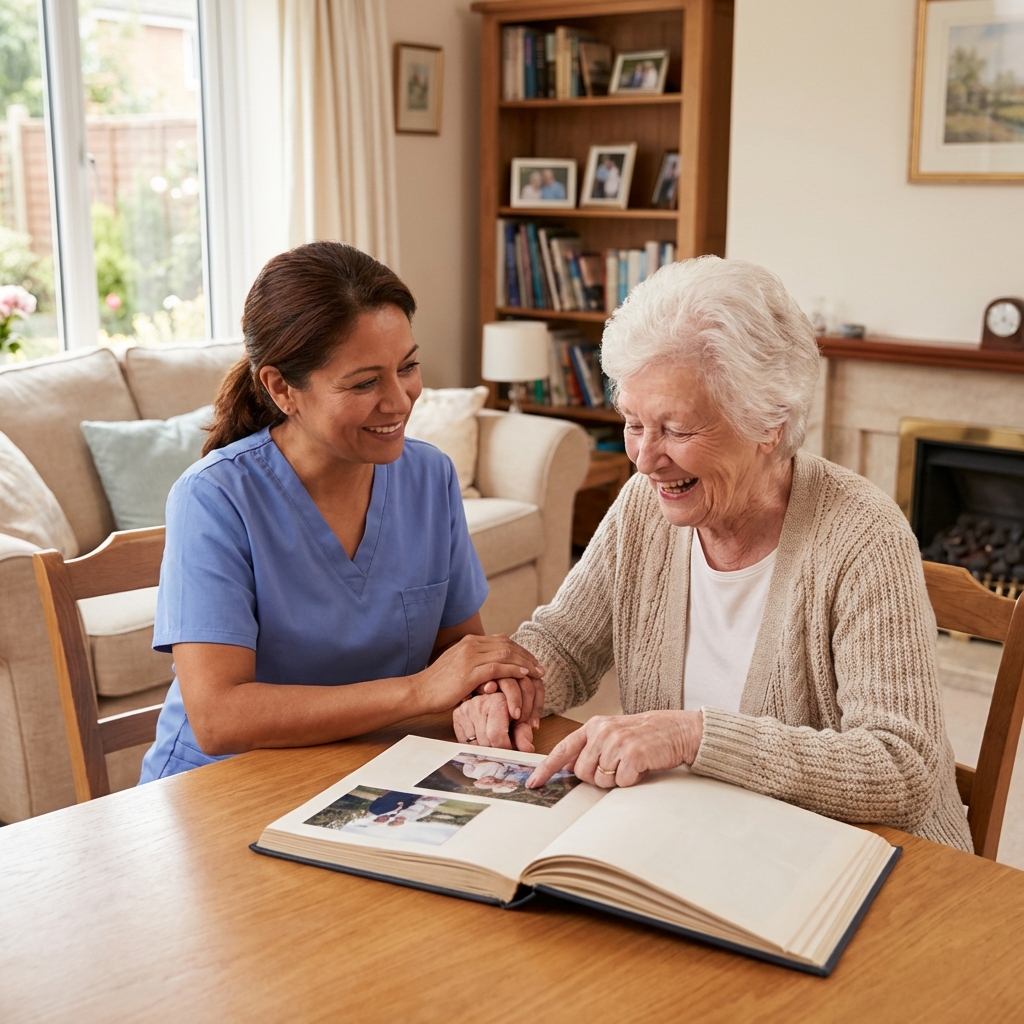
Then we match them with a caregiver who fits — not just clinically, but personally. Someone who feels less like a healthcare worker and more like a trusted neighbor who happens to have medical training. Someone who respects the way your parent likes things done. Someone who knows when to help and, just as importantly, when to step back.
Over time, something remarkable happens. The person your parent was so sure they didn’t want around becomes someone they look forward to seeing. Not because they’ve become dependent, but because they’ve gained a companion who helps them keep living the life they’ve built — safely, comfortably, and on their own terms.
Help Doesn’t Take Independence Away. It Gives It Back.
This is the truth we wish every Maine family could hear:
The greatest threat to your parent’s independence isn’t accepting help. It’s a preventable fall that lands them in a rehab facility for three months. It’s a medication error that triggers a hospital stay they may not fully recover from. It’s the slow, quiet withdrawal from the life they love because everyday tasks have become just a little too hard — and there’s no one there to notice.
When a trained, consistent caregiver is present in the home, those things don’t happen — or they’re caught early, before they become crises. Your parent stays in the home they love, follows the routines they’ve built over decades, and continues to live with the dignity and autonomy they’ve earned.
That’s not losing independence. That’s the smartest, most Maine way to keep it.
What This Means for You, the Adult Child
We know you’re carrying more than you let on. The worry that sits in your chest every time the phone rings late at night. The guilt of living an hour — or a state — away. The exhaustion of trying to coordinate everything from a distance, checking in constantly, hoping today isn’t the day something goes wrong.
You didn’t sign up for this, and yet here you are — because you love them.
But here’s something we want you to hear: you don’t have to choose between your parent’s independence and your own peace of mind. You can have both. The right care doesn’t just protect your parent — it gives you back the relationship you’ve been missing. Instead of being the worried manager of their daily life, you get to be their son or daughter again. You get to visit and just enjoy being together, instead of spending the whole time quietly checking for problems.
That matters. Your wellbeing matters, too.
Your Next Step
If anything in this post felt familiar — if you’ve heard “I can handle it myself” one too many times, if you’ve been lying awake wondering when to step in, if you’ve been searching for something that respects who your parent is while keeping them safe — we’d love to talk.
No pressure. No obligation. Just a confidential conversation with a registered nurse who understands Maine families, because we are one.
At EverHaven, we believe that accepting help isn’t a sign of weakness. It’s a sign of wisdom. And your parent — the one who taught you to be strong, to work hard, to never quit — deserves care that honors every bit of who they are.
Call us at (207) 945-8184 or visit theeverhaven.com/contact to start a quiet, confidential conversation.
Because the strongest thing your parent can do isn’t handle everything alone. It’s letting the right people help them keep the life they’ve built.